Sealcoating: What It Does and How Often You Need It
· 5 min read
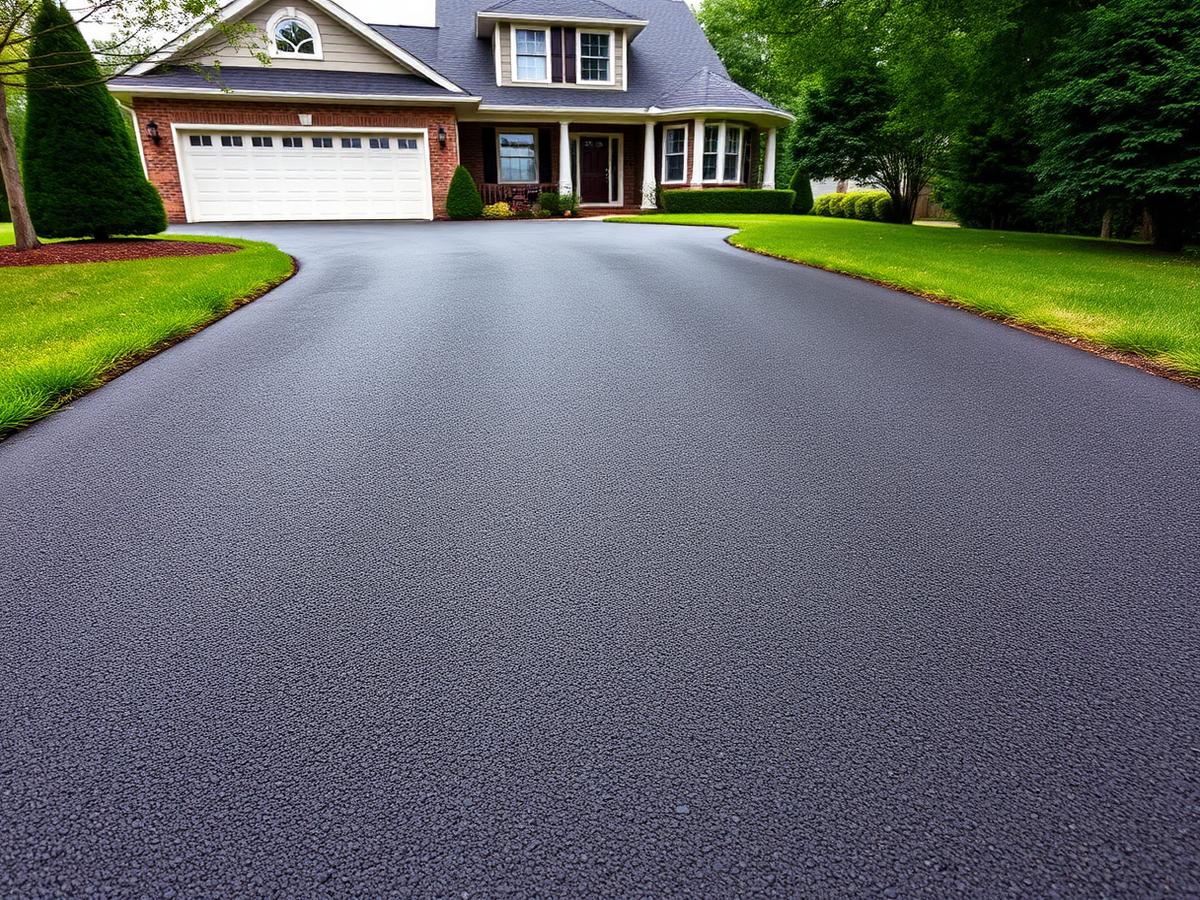
Sealcoat is a protective layer over asphalt, not a structural repair. Applied on the right schedule, it is the cheapest way to add years to a surface you already own.
What sealcoating protects against
Asphalt is bound together by a petroleum binder that oxidizes in sunlight and dissolves under fuel and oil drips. As the binder breaks down, the surface turns gray, loses aggregate, and lets water into the base. Sealcoat blocks UV, water, and chemicals.
How often to seal
Most residential driveways do well on a two to three year cycle; busy commercial lots may need it more often. Sealing too frequently builds up excess film that can crack and peel, so timing follows the surface's condition, not the calendar alone.
Conditions matter
Sealer needs warm, dry weather to cure — typically above 50°F and rising, with no rain for 24 hours. Cracks are filled first, oil spots are primed, and the surface is cleaned, or the sealer simply will not bond.
When repair comes first
If the surface has alligator cracking, potholes, or areas that flex under a vehicle, the base has failed. Sealcoat over that hides the problem for one season. Those areas need patching or a full-depth repair before any sealer goes down.