Commercial Parking Lot Paving: Planning a Project That Lasts
· 6 min read
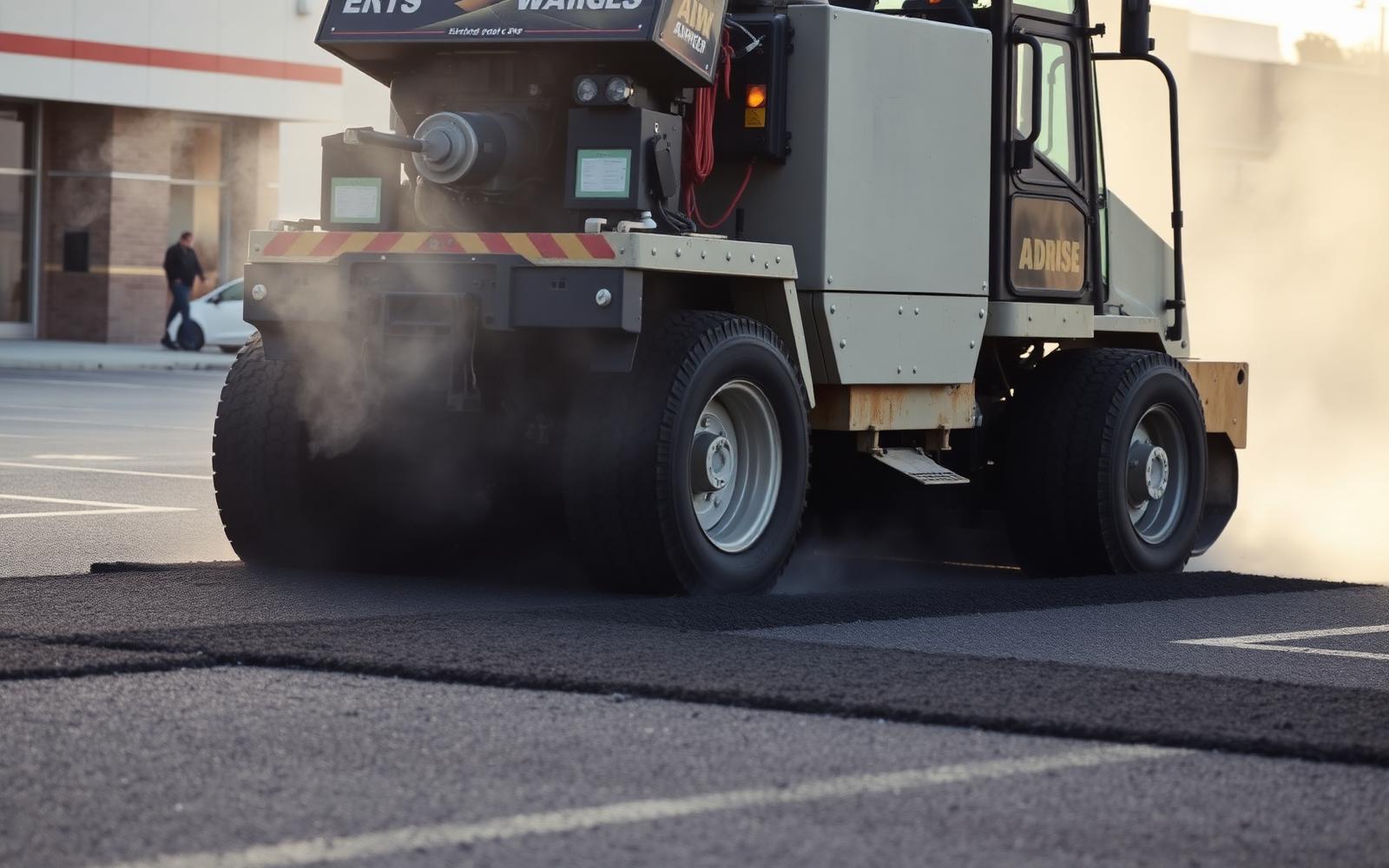
A parking lot is a working surface carrying delivery trucks, dumpsters, and hundreds of daily turning movements. Designing for that traffic — and phasing the work so the business stays open — is most of the job.
Design for the heaviest vehicle
Pavement thickness is set by the heaviest repeated load, not the average car. Dumpster pads and truck lanes usually get thicker asphalt or a concrete pad, because a garbage truck's rear axle does more damage in one stop than months of car traffic.
Drainage first
Standing water is what kills lots. Grades, catch basins, and curb lines are checked before paving so water leaves the surface quickly instead of soaking through joints into the base.
Phasing around business hours
Most lots are paved in halves or quadrants so customers and deliveries always have access. The schedule is set around your busiest hours, and traffic control is planned before the first day.
- Section-by-section paving to keep entrances open
- Night or weekend pours where daytime access is critical
- Clear signage and temporary routing during cure
Striping and accessibility
Layout is finalized after paving: stall count, drive aisles, fire lanes, and accessible spaces with the correct access aisles and signage. Fresh striping is also the fastest visual upgrade a property can get.